✓
Inspection that targets leak sources
We check penetrations, flashings, valleys, drip edge, and attic signs of moisture so repairs address the cause, not just the symptom.
Serving Jacksonville, Florida & surrounding areas
Get a clear inspection, a written scope, and a plan you can trust for repair or replacement. Our licensed team works on coastal roofing systems that have to handle salt air, wind, and sudden storms.
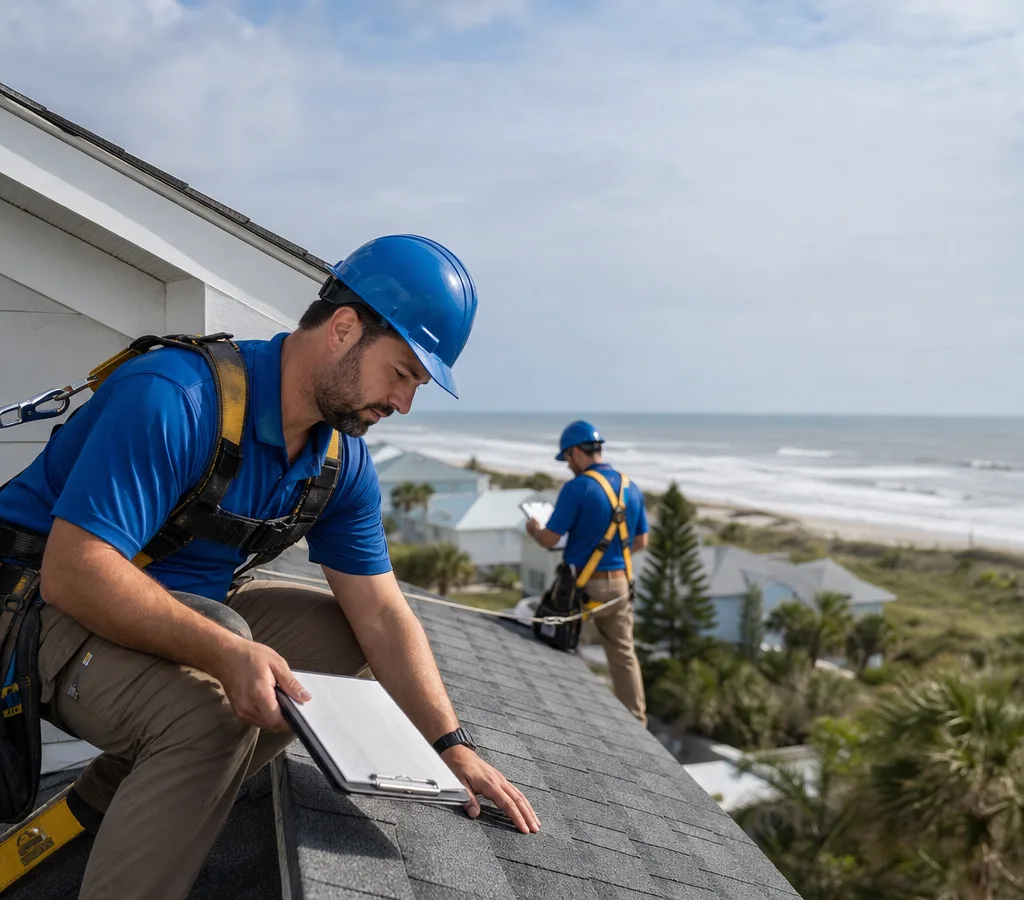
If you are searching for a roofing contractor Jacksonville Beach FL residents can rely on, you are likely dealing with one of three situations: a leak that needs fast diagnosis, a roof that is near the end of its life, or storm and wind concerns that make you want a professional opinion.
Jacksonville Beach roofs take a beating from coastal conditions. Salt air accelerates corrosion on metal components like flashings, fasteners, and drip edges. Wind-driven rain tests every transition point, including valleys, pipe boots, skylight curbs, and wall-to-roof intersections. That is why a good contractor does more than patch a shingle. The work starts with finding the actual water path and checking the details that commonly fail.
Roofing Contractor Jacksonville Florida is based in Jacksonville (ZIP 32202) and serves Jacksonville Beach with practical, inspection-first recommendations. If you are also comparing broader options across the metro, our overview of roofing contractors in Jacksonville Florida can help you understand what to look for when hiring.
We check penetrations, flashings, valleys, drip edge, and attic signs of moisture so repairs address the cause, not just the symptom.
You get a clear scope of work with the roof system components spelled out, including underlayment, flashing approach, and ventilation plan.
We pay close attention to corrosion-prone components and sealing at transitions where wind-driven rain often finds a way in.
Landscaping protection, controlled debris handling, magnetic sweeps, and a final walk-through are standard parts of a professional roofing job.
From targeted repairs to full replacements, we recommend the smallest scope that solves the problem and supports long-term performance.
We set expectations for scheduling, weather impacts, and what parts of the roof must be opened and dried before closing back in.
As a roofing contractor, our work covers the full roof system and the decisions that come with it.
Roof repair and leak troubleshooting
Leaks often show up far from where water gets in. We trace common entry points like step flashing along sidewalls, plumbing vent boots, chimney flashings, and nail pops, then recommend a repair that matches the roof type.
Roof replacement (tear-off and re-roof)
When shingles are aged, brittle, or repeatedly repaired, replacement can be the smarter path. A proper replacement includes underlayment, flashings, starter, ridge/hip caps, and a ventilation plan appropriate for Florida heat and humidity. We also look at decking condition and fastener holding where needed.
Storm and wind damage assessments
After heavy weather, we document damage, check for lifted shingles, exposed fasteners, and flashing movement, and explain what is repairable versus what is compromised.
Flat and low-slope roofing considerations
Low-slope areas need correct membrane details at seams, edges, and penetrations. If your property has a mix of slopes, we explain how the systems tie together so water sheds correctly.
If you are in Jacksonville Beach, Atlantic Beach, Neptune Beach, or the Southside near beach access routes, scheduling and material delivery can hinge on weather windows. We build the plan around getting your roof dried-in quickly when the forecast is unstable.
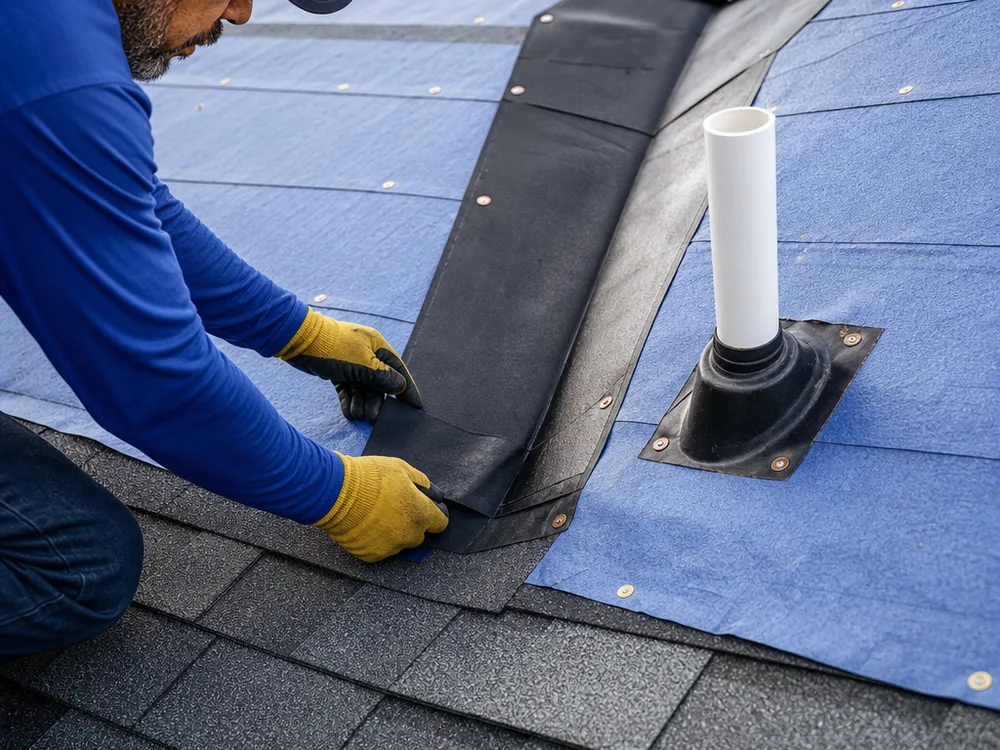
A clear sequence keeps the roof diagnosis, written options, property protection, installation, and cleanup aligned.
We walk the roof when safe, inspect transitions and penetrations, and check attic or ceiling signs of moisture when accessible. You get photos of the areas driving the recommendation.
We outline repair vs replacement paths, identify materials and system components, and provide an estimate tied to a defined scope so you can compare bids fairly.
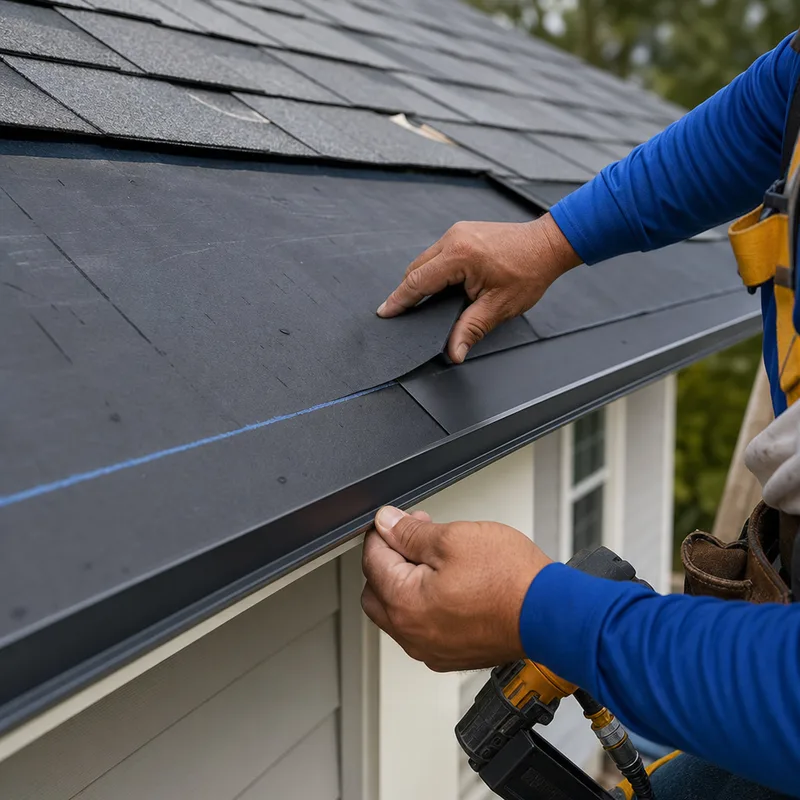
Before work starts, we protect landscaping and staging areas, plan debris handling, and confirm access and parking details to keep the property usable.
We complete the agreed scope using manufacturer-required steps for the roof type, focusing on watertight transitions, ventilation, and proper fastening.
We complete a detailed cleanup, run magnetic sweeps, and review the finished work with you so you know what was done and what to watch for over time.
Most Jacksonville Beach roofing projects typically range from $450 to $1,800 for common repairs, while a full roof replacement often runs $10,000 to $25,000+ depending on size, pitch, material, and tear-off needs.
Your final price changes with roof access, number of layers, decking repairs, flashing complexity (chimneys, skylights, multiple penetrations), and the type of underlayment and ventilation specified. The exact cost is confirmed after an on-site inspection and a written scope.
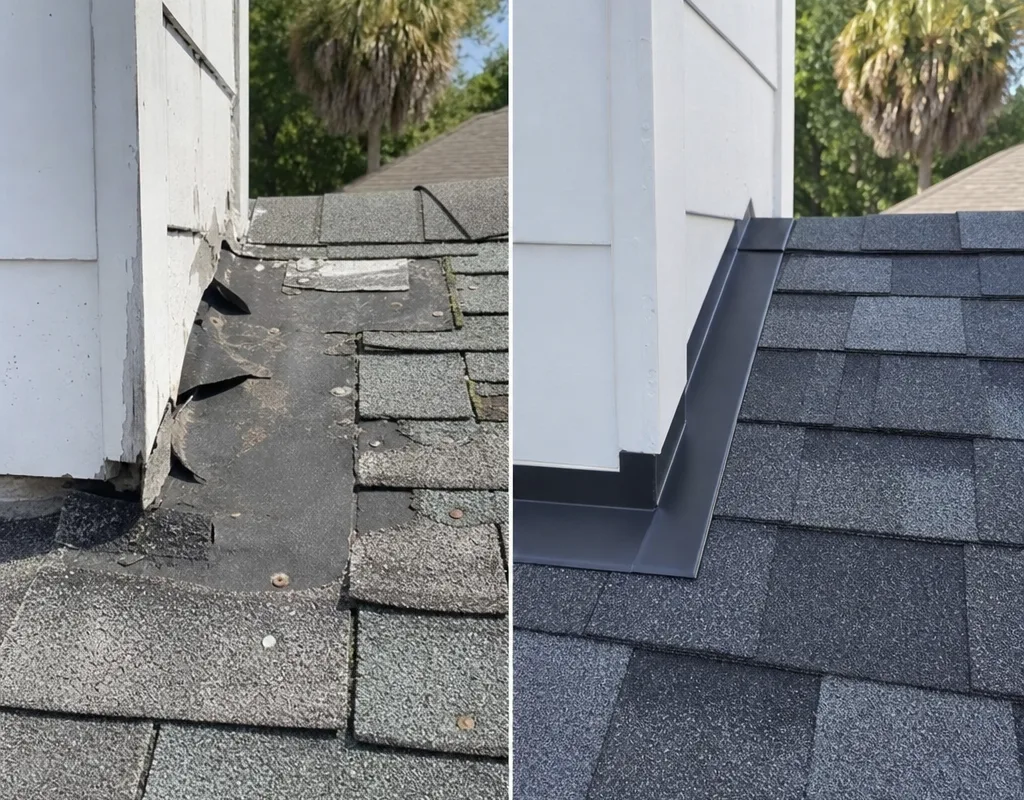
“We had a leak that two quick patches never solved. The inspection photos made it obvious the flashing was the issue, not the shingles. The repair held through the next storm and the cleanup was thorough.”
“The estimate was written clearly enough that I could compare it to other bids. The crew showed up when scheduled and kept everything tidy around the driveway and yard.”
“After wind lifted shingles along the ridge, they explained what could be repaired and what could not. No pressure, just a plan and a timeline that made sense.”
In many cases, an active leak can be stabilized the same day with a targeted temporary dry-in or small repair, but the correct long-term fix depends on finding the entry point. Wind-driven rain along the beach often enters at flashings, pipe boots, or wall transitions, so we focus the inspection on those details before recommending the final repair.
You can usually repair a roof when the problem is localized and the surrounding materials are still in serviceable condition, but repeated leaks, widespread shingle failure, or deteriorated underlayment often point to replacement. We document what we see and explain which option solves the problem with the least disruption over the long run.
A useful estimate lists the scope (repair areas or full tear-off), the roof system components (underlayment, flashings, starter, ridge/hip caps, ventilation approach), and what happens if damaged decking is found. If two bids are hard to compare, it is usually because the scopes are not truly the same.
Many residential replacements can be completed in 1 to 3 days once work starts, but timing depends on roof size, pitch, weather windows, and whether decking repairs are needed. Coastal forecasts can change quickly, so we plan around getting the roof dried-in promptly and keep you updated if weather affects scheduling.
Yes, we can document visible roof conditions with photos and notes so you have clear information when speaking with your adjuster. We focus on observable damage and the scope needed to restore the roof system, then explain what is typically repaired versus what is replaced based on condition and roof type.
Ask who is responsible for the written scope, what roof system components are included (especially flashings and underlayment), how decking issues are handled, and what the plan is for daily cleanup and property protection. You should also ask how they schedule around weather so the home is protected if a storm pops up mid-project.
Tell us what you are seeing, leak symptoms, age of the roof, and any recent storm impacts. We will confirm conditions on-site and provide an estimate tied to a written scope you can make decisions from.