✓
Leak response with documentation
We start by tracing the leak path and documenting likely entry points—seams, curbs, skylights, walls, and drains—then outline repair options that match the roof type.
Serving Jacksonville, Florida & surrounding areas
Protect your building with clear recommendations, clean workmanship, and documentation that property managers and owners can rely on.
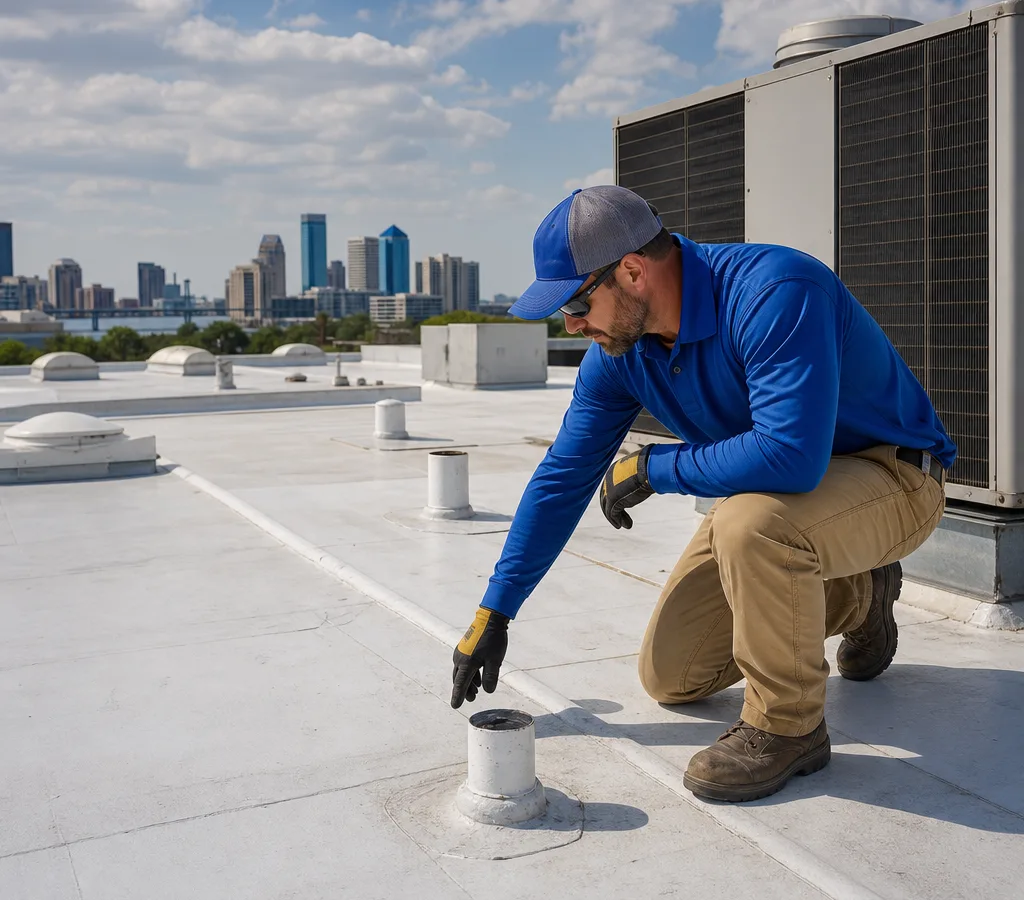
If you are looking for a Jacksonville commercial roofing contractor, you usually need two things fast: a correct diagnosis and a plan that fits your building, tenants, and budget.
Roofing Contractor Jacksonville Florida works with Jacksonville businesses on commercial roof repairs, replacements, and maintenance for common systems like TPO, PVC, modified bitumen, BUR (built-up roofing), and metal. We focus on practical scopes you can verify: what failed, what gets replaced, how the work is staged, and what you can expect after completion.
Jacksonville conditions matter. High heat, heavy rain events, and hurricane season put extra stress on seams, flashings, and roof penetrations. If a roof drains slowly or has repeated ponding, small weaknesses can turn into interior leaks quickly. A good commercial plan accounts for water flow, rooftop equipment, and the real use of the building, not just the roof surface.
Our broader roofing work across property types follows the same organized approach to inspections, scopes, and scheduling.
We start by tracing the leak path and documenting likely entry points—seams, curbs, skylights, walls, and drains—then outline repair options that match the roof type.
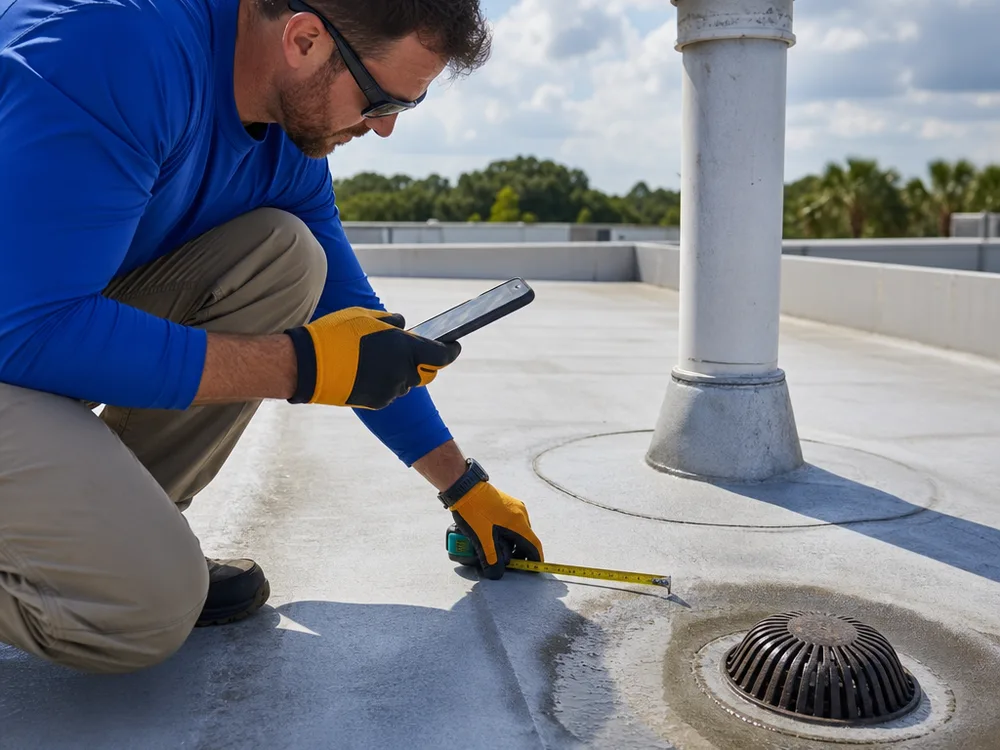
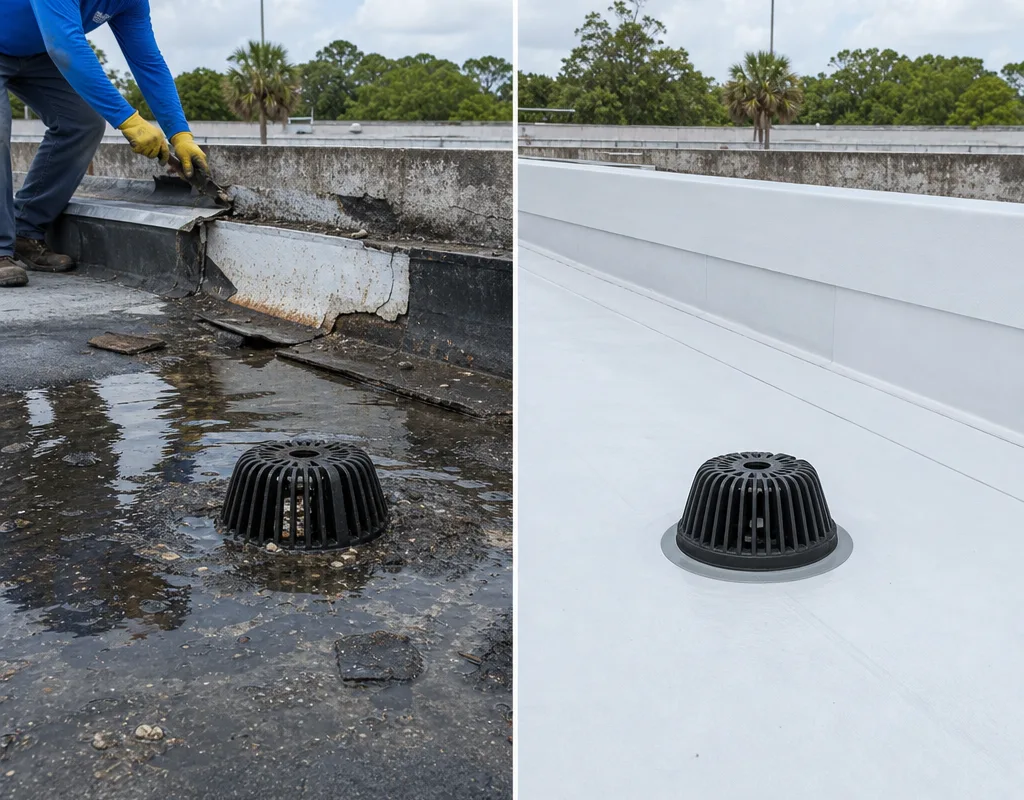
We look past the wet ceiling tile. Typical root issues include failed penetration flashing, open seams, punctures, deteriorated coatings, and drain or scupper problems.
For occupied buildings, we plan access routes, material staging, daily cleanup, sequencing around tenant hours, and rooftop HVAC needs.
Routine checks catch early seam separation, fastener back-out on metal, and sealant failure around curbs before they become emergency calls.
You get a written scope, photos when helpful, and practical next steps so you can brief stakeholders and approve work with confidence.
A commercial roof inspection is only useful if it leads to a specific, buildable scope. We typically evaluate:
In Downtown Jacksonville and along the riverfront, multi-tenant buildings often have many penetrations and rooftop mechanicals. In industrial areas like Westside facilities near major corridors, wide-span roofs make drainage and seam consistency a major risk. Around Southside office and retail properties, flat roofs and metal sections often meet at transitions that require extra attention.
The goal is a scope that solves the problem you are seeing now and reduces the chance of the next surprise leak.
A documented process aligns roof access, diagnosis, staging, production, and closeout with the way your property operates.
We confirm roof access, note tenant-sensitive areas, and identify constraints like restricted parking, loading docks, or interior protection needs.
We identify likely failure points and outline repair, restoration, or replacement options based on roof type, saturation risk, and remaining service life.
You receive a clear scope of work and schedule plan, including how the job will be staged to reduce disruption to occupants and rooftop equipment.
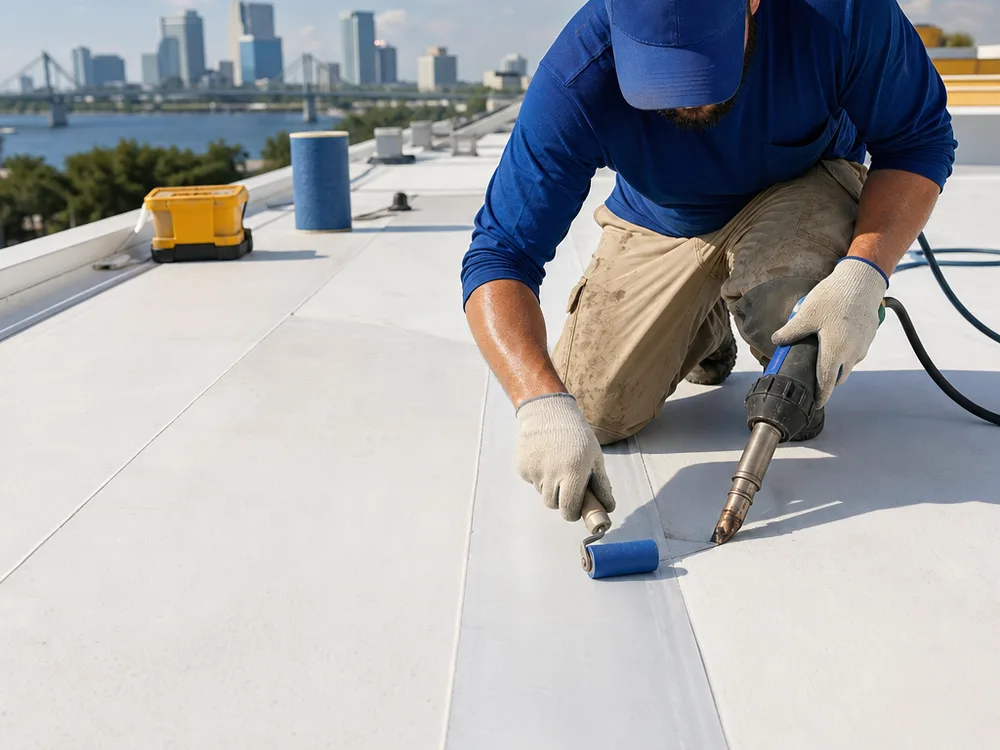
We complete the work with attention to seams, flashings, and water flow while keeping the site tidy and coordinating around business operations.
We confirm the completed scope, share relevant photos, and review maintenance items that can help prevent repeat issues.
Most Jacksonville commercial roofing projects typically range from about $750 to $3,500 for common leak repairs, while larger restorations can run $4,000 to $25,000+. Full commercial roof replacements often price by the square foot and commonly land in the $7 to $16 per sq ft range depending on system and tear-off needs.
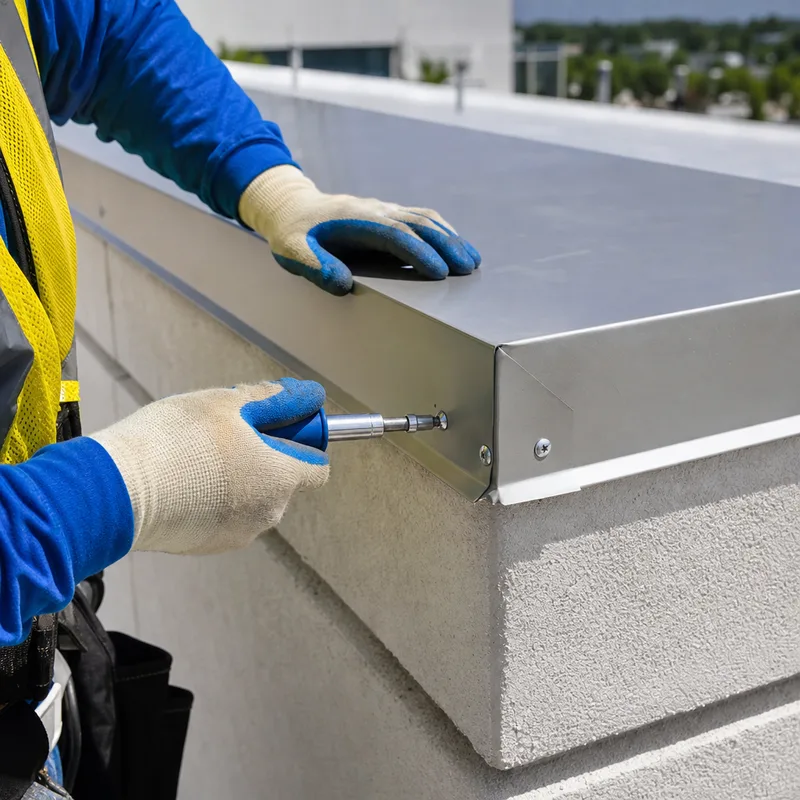
Your final cost depends on roof size and height, material type—TPO, PVC, modified bitumen, or metal—number of penetrations, wet insulation, access and staging, and whether drainage fixes or edge metal work are needed. Exact pricing is confirmed after an on-site inspection and a written scope.
Response time depends on weather and roof access, but active leaks are typically prioritized for the earliest available visit. In Jacksonville, sudden heavy rain can expose weak seams or flashing quickly, so it helps to share where water is showing inside and whether the roof is flat or metal so the inspection can focus on likely entry points.
Have the building address, roof type if known, approximate roof age, leak locations inside, and any recent roof work details ready. If you can safely provide photos of interior staining and rooftop areas like drains, curbs, and seams, it can speed up diagnosis and make the first visit more productive.
Choose repair when the issue is localized and the roof system is otherwise sound; consider restoration when the roof is generally stable but aging and you need broader waterproofing; plan replacement when the system has widespread failure, repeated leaks, or saturated insulation. A proper inspection should tie the recommendation to specific conditions like seam failure patterns, membrane brittleness, and drainage performance.
Yes, commercial roofing work is commonly scheduled and staged around tenant needs, deliveries, and quiet hours. The key is agreeing on access points, material staging, and daily cleanup expectations up front so the job does not interfere with customers, staff, or rooftop HVAC service.
Most commercial contractors service common systems like TPO, PVC, modified bitumen, BUR (built-up roofing), coatings, and metal. The right approach depends on the existing system because seam methods, flashing details, and compatible repair materials differ between membranes, asphalt-based roofs, and metal panels.
A good proposal lists the exact roof areas included, materials and manufacturer specifications where relevant, how seams and flashings will be handled, any tear-off and disposal details, and how drainage or edge metal will be addressed. It should also state how the work will be staged for an occupied building and what closeout documentation you will receive.
Share what you are seeing—leak locations, roof type, and any photos you have—and we will recommend the next right step with a written scope you can review before work starts.